Portugal Guide
Where a Rental Car Is Most Useful in Portugal
A car is transformative in some parts of Portugal and dead weight in others. Region by region: where it earns its keep, with the specific roads worth driving.
Updated July 2026
At a glance
- Highest value
- Alentejo · rural Algarve · Douro hills
- Good value
- Centro (Óbidos, Nazaré, Tomar), Minho
- Low value
- Lisbon, Porto, single-town stays
- Signature drives
- N222 Douro · N2 spine · Monchique · Cabo de São Vicente
Algarve
A car turns a resort holiday into a coastline. Major towns have buses, but the Algarve's best parts do not: the cove beaches around Lagoa (Praia da Marinha), the wild Costa Vicentina west coast near Aljezur and Sagres, and inland Monchique and Silves. Regional trains and buses are slow and skip most of what you actually want to see, and weekend services thin out.
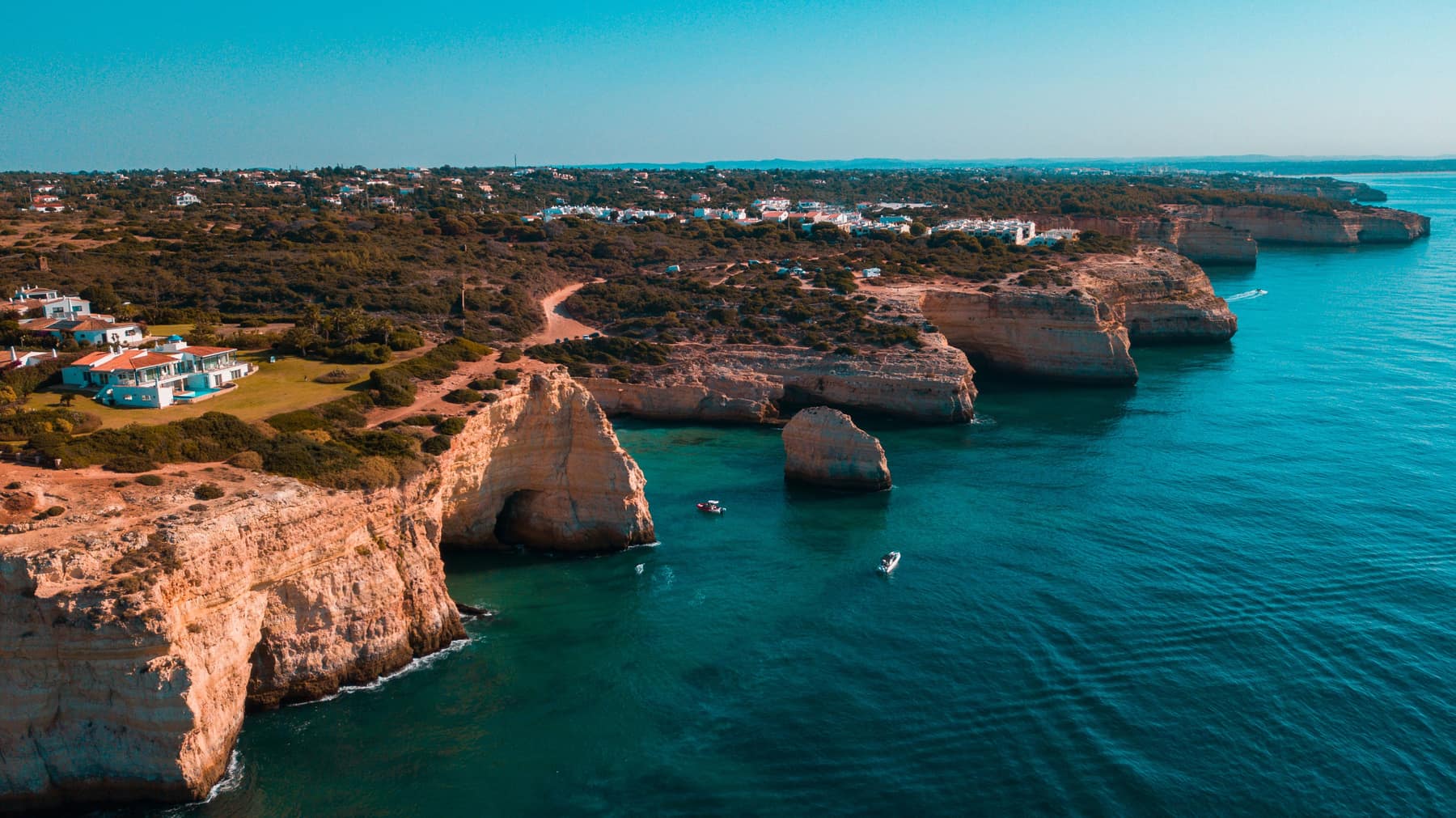
- Best with a car: beach-hopping, a villa outside town, the west coast, inland day trips.
- Fine without: a central stay in Lagos, Tavira, or Faro where you mostly walk.
- Drive worth taking: the climb to Fóia above Monchique; the road out to Cabo de São Vicente at sunset.
- Note: the A22 motorway across the Algarve is not currently tolled, which makes east–west trips simple.
Douro Valley and the north
The Douro's scenic railway is lovely but hugs the river. The terraced quintas, the viewpoints, and the villages sit high on the slopes, reached by narrow roads a train never touches. A car lets you move between Peso da Régua, Pinhão, and the wilder upper valley on your own schedule and stop at miradouros like São Leonardo de Galafura.
- Signature drive: the N222 between Peso da Régua and Pinhão — regularly called one of the best drives in Europe.
- Beyond the Douro: the Minho (Braga, Guimarães, the Gerês national park) and the far north-east open up hugely with a car.
- Trade-off: if your Douro plan is one winery lunch and a river cruise, a train-plus-transfer or a small-group tour avoids a designated driver.
Alentejo
This is where a car stops being a convenience and becomes the entry ticket. Portugal's largest, emptiest region is all distance: cork oak plains, hilltop fortress villages, and a quiet coast, none of it well served by bus.
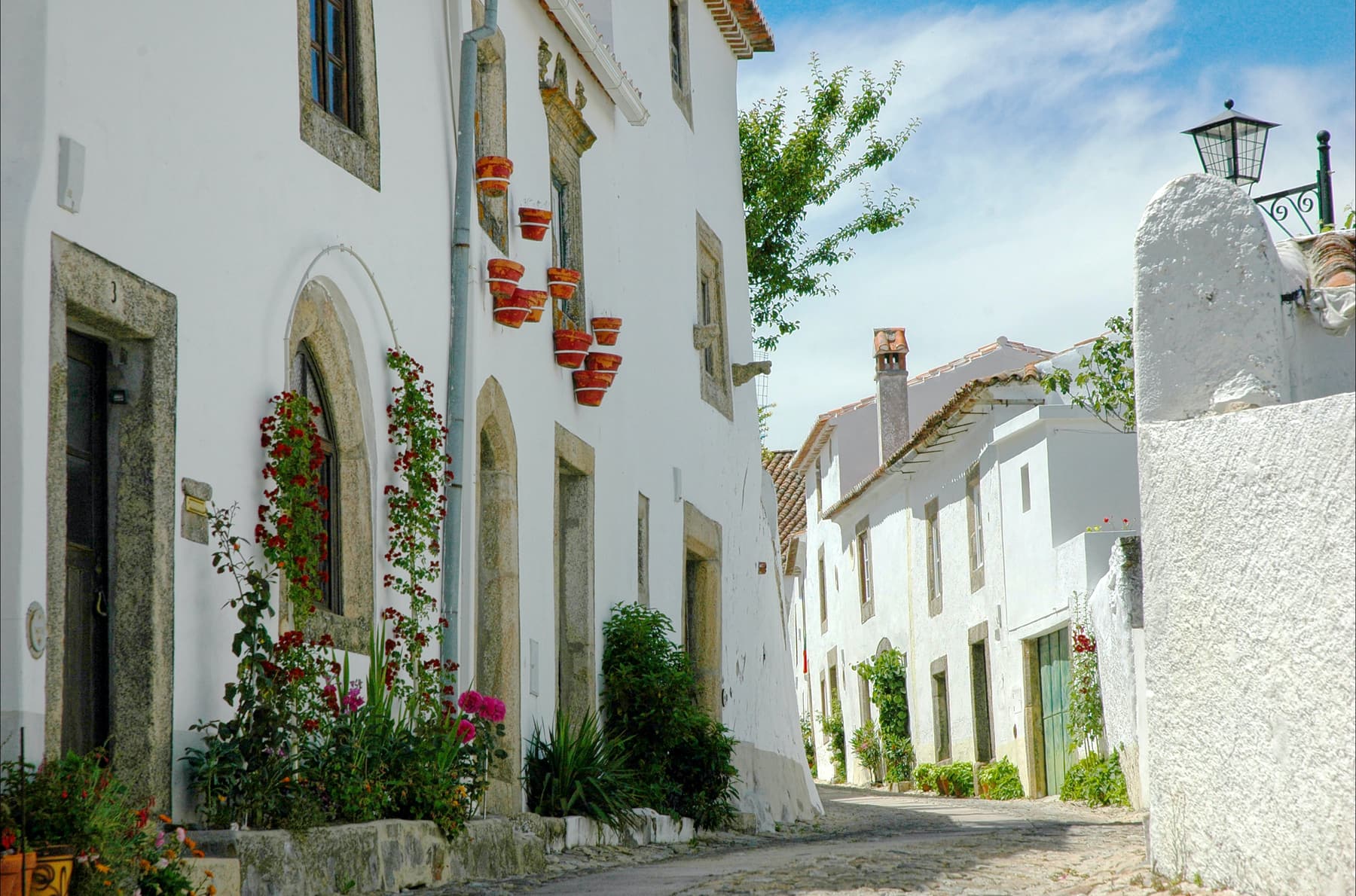
- Fortress villages: Marvão, Castelo de Vide, and Monsaraz reward arriving for sunset — only realistic with a car.
- Wine and craft towns: the estates around Évora and Reguengos, pottery in São Pedro do Corval, carpets in Arraiolos.
- Dark skies: the Alqueva reserve, one of the first certified dark-sky destinations, is a night drive from anywhere.
- Coast: the Alentejo shore (Comporta, Vila Nova de Milfontes, Zambujeira) is strung out and car-dependent.
Centro: Óbidos to the Serra da Estrela
The middle of the country is where multi-stop trips shine. A car lets you chain Óbidos, Nazaré, Alcobaça, Batalha, and Tomar in a day or two without backtracking through Lisbon, then push inland to Coimbra, the schist villages of the Serra da Lousã, or the mountain roads of the Serra da Estrela.
The N2, Portugal's 738 km “Route 66” from Chaves in the north to Faro in the south, runs through here and is a trip in its own right.
Where a car adds little
- Lisbon and Porto: dense, hilly, hard to park, well served by metro and rideshare. Pick the car up when you leave the city.
- Sintra: notoriously congested; the train from Lisbon plus local shuttles is easier than driving and parking.
- Single-base beach or city stays where you will not really move.
Still deciding overall? Start with do you need a car in Portugal? For what the driving itself is like, see what to expect.